By Dennis DeLoach, NVFS Early Childhood Programs Director
“I didn’t teach them that.”
It’s a phrase parents, grandparents, caregivers, and teachers say all the time.
A four-year-old uses a new word in exactly the right context. A toddler comforts a crying friend with a gentle pat on the back. A preschooler remembers something you said weeks ago that you had forgotten.
Moments like these often leave us wondering, “How did they know that?” The answer is both simple and remarkable: young children are always learning.
From the moment they are born, children begin making sense of the world around them. They learn by watching, listening, exploring, playing, and—most importantly—through the relationships they experience every day. Long before children can read a book or solve a math problem, they are studying our facial expressions, imitating our words, observing how we respond to challenges, and discovering what it means to feel safe, loved, and valued.
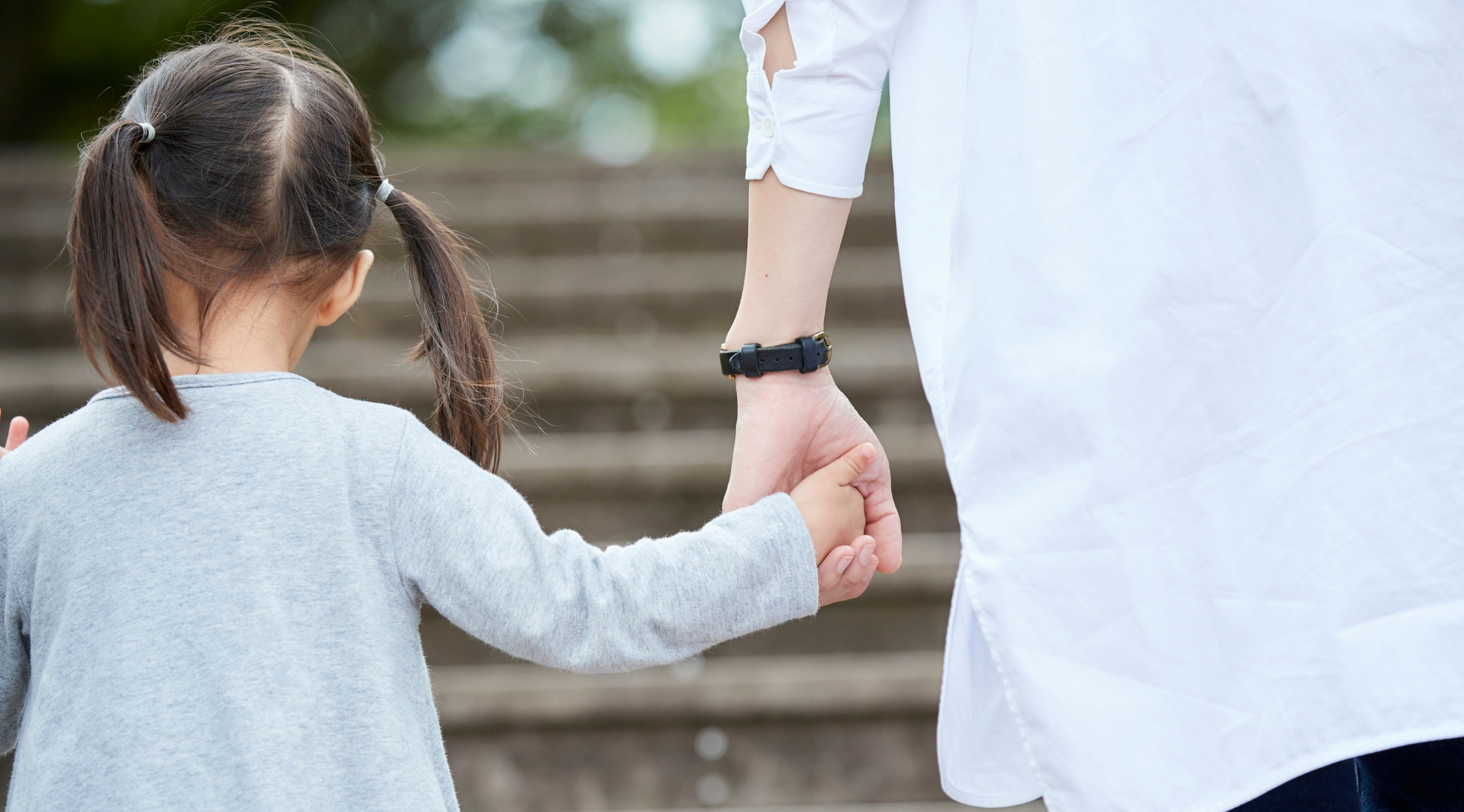
In many ways, a child’s first classroom isn’t a classroom at all. It’s the relationships that surround them.
One of the greatest lessons I’ve learned throughout my career in early childhood education is that young children don’t separate learning from living. Adults may distinguish between “teaching time” and everyday life, but children don’t. A conversation in the grocery store, a bedtime story, a walk through the neighborhood, a song in the car, or an afternoon of imaginative play can all become opportunities to learn.

Research on early childhood development reinforces what parents, caregivers, and educators see every day: nurturing, responsive relationships play an important role in healthy brain development. The Center on the Developing Child at Harvard University describes these back-and-forth interactions between children and caring adults as “serve and return” and explains that they help build and strengthen connections in a child’s developing brain. When adults talk with children, respond to their questions, comfort them when they are upset, and celebrate their discoveries, they are doing more than creating happy memories. These everyday interactions help children develop language, emotional security, curiosity, problem-solving skills, and the confidence to explore their world.
And the good news is that supporting a child’s learning doesn’t require expensive toys or elaborate lesson plans. Some of the most powerful learning happens in ordinary moments.
When you invite your child to help prepare dinner, you can introduce early math and science concepts by counting, measuring, and noticing how ingredients change. When you ask, “What do you think will happen next?” While reading a story, you encourage language and critical thinking. When you resist the urge to immediately solve a problem for your child and instead encourage them to keep trying, you help build persistence. And when you stop and really listen to one of their many questions, you communicate something equally important: Your thoughts matter.
In many ways, a child’s first classroom isn’t a classroom at all. It’s the relationships that surround them.
During National Head Start Month, we reflect on how these ideas have shaped Head Start for more than 60 years. Since its beginning, Head Start has embraced the understanding that preparing children for success requires attention to the whole child. Learning is connected to relationships, health, nutrition, family well-being, and the recognition that parents and caregivers are a child’s first and most important teachers.
But that philosophy doesn’t belong only to Head Start classrooms or early childhood programs. It offers something all of us can put into practice in our everyday interactions with children.
Every child needs adults who listen to them, talk with them, play with them, encourage their curiosity, and create safe spaces for them to make mistakes and try again. Whether we are parents, grandparents, educators, neighbors, or other caring adults, the relationships we build become part of the environment in which children learn who they are and what they can become.
Perhaps that is one of the greatest lessons young children can teach us about learning: connection comes before instruction.
Before children remember everything we tried to teach them, they will remember the adults who made them feel safe enough to ask questions, confident enough to try, and loved enough to grow. Those bonds may be built in ordinary moments, but their impact can last a lifetime.
Learn more about our Early Head Start & Head Start programs help children learn and grow while supporting the whole family.
"One of the greatest lessons I’ve learned throughout my career in early childhood education is that young children don’t separate learning from living. Adults may distinguish between “teaching time” and everyday life, but children don’t. A conversation in the grocery store, a bedtime story, a walk through the neighborhood, a song in the car, or an afternoon of imaginative play can all become opportunities to learn."